MasAgro partners explore the nutritional and industrial uses of corn starch
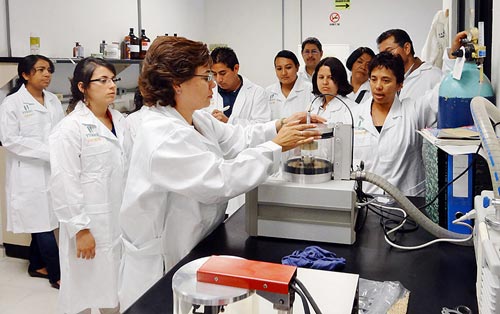 Although many of us know that cereals such as maize contain starch, very few of us are aware of its usefulness and numerous applications. Luis Arturo Bello from the National Polytechnic Institute (IPN) is one of a number of Mexican scientists who are internationally recognized for their knowledge and research on starch, especially corn starch. Bello, along with other researchers from Mexico’s National Autonomous University (UNAM)-Juriquilla and CIMMYT, discussed various aspects of starch with representatives of the academic and industrial sectors during a course combining theory and practice sponsored by the Sustainable Modernization of Traditional Agriculture (MasAgro) initiative at the Center for Applied Physics and Advanced Technology (CFATA-UNAM), in the city of Querétaro on 3-5 June 2013.
“We know that compounds such as starch, proteins, and oil, among others, are very important for the quality of the finished product, which is what people consume. This is why the food industry is interested in learning more about starch and identifying maize varieties with optimal traits for food processing and production,” said Mario Rodríguez of UNAM during the event.
The course highlighted how maize starch content influences food processing and preparation (for example, the nixtamalization process for making tortillas), as well as its varied uses and nutritional roles. Course participants also had the opportunity of learning the theory underlying X-ray technology, electronic microscopy, and rheology, and of identifying the diverse forms and composition of maize starch.
The course brought out the importance of exploring maize genetic diversity as a potential source of resistant starches and dietary fiber, and of starches with different forms, structures, and sizes. As part of the human diet, these starches influence the glycemic index, which indicates how quickly carbohydrates such as starch are digested and absorbed by the human body. Some starches have a very rapid glycemic index (they are absorbed very quickly), and others, such as resistant starches, have a slower one.
The glycemic index is important in conditions such as diabetes, where glucose levels have to be controlled, or in diets aimed at gaining or recovering energy reserves. In disorders such as obesity, a lot of glucose accumulates, fat metabolism is activated, and fats are stored in adipose tissue.
“By exploring and understanding the genetic diversity of maize landraces through initiatives such as MasAgro, we are finding new ways of improving and conserving it,” said Natalia Palacios, maize nutritional quality researcher at CIMMYT. “Starch is only one of many nutritional and industrial compounds that are useful to us.”
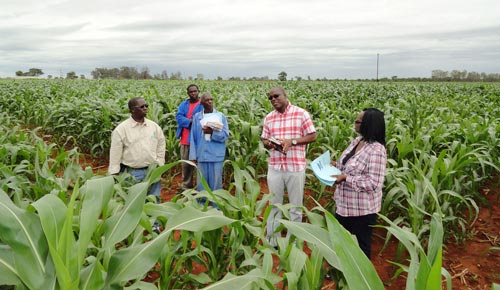
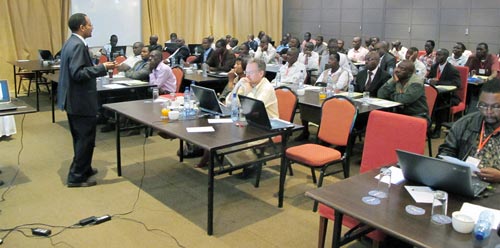 “Reducing post-harvest losses is key to increasing availability of food as it is not only important to increase domestic food production but also to protect what is produced by minimizing losses,” stated Zechariah Luhanga, Permanent Secretary, Provincial Administration at the Office of the President, Eastern Province, at the Provincial Stakeholders Workshop on Effective Grain Storage for Sustainable Livelihoods of African Farmers Project (EGSP-II) held in Chipata, Zambia, on 29 May 2013. “We as the key stakeholders and participants in the agricultural sector can enhance food security and improve incomes of resource poor farmers and artisans by promoting improved storage technologies such as metal silos and hermetic bags in Zambia.”
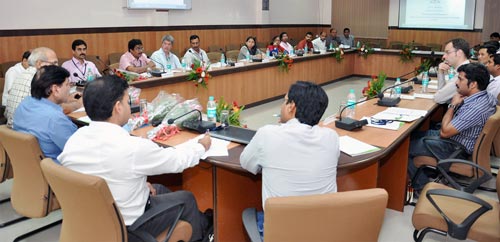
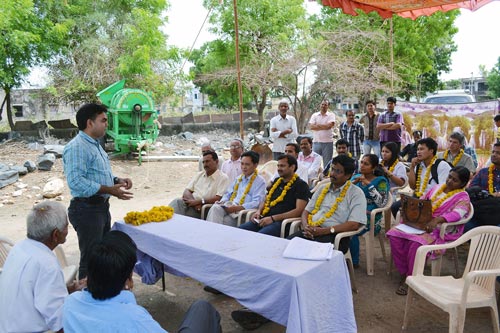 Rajasthan is one of the most stress-prone dry states of India, where farmers grow maize as major crop for food and domestic consumption. As such, it provided a perfect setting for the 2nd Annual Progress Review and Planning Meeting for the Abiotic Stress Tolerant Maize for Asia (ATMA) project. The meeting, jointly organized by the Maharana Pratap University of Agriculture and Technology (
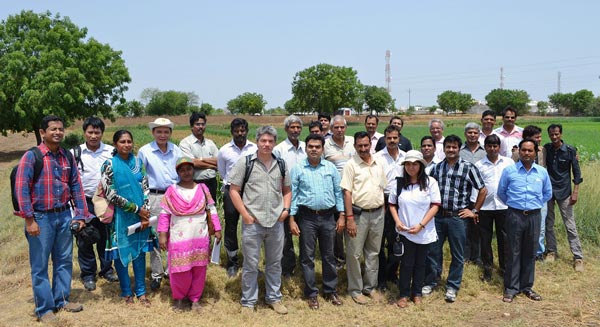 The session’s chairman added: “Our maize farmers have many choices regarding high-yielding varieties and technologies for optimal conditions, and they are experts in achieving high yields under such conditions. But when it comes to stress conditions they have very few choices, and that is where they need our intervention.”
 The farmer-scientist interaction produced very useful insights into the issues faced by maize farmers in the region and reiterated the importance of stress tolerant maize varieties for their livelihood. To conclude the day, farmers prepared and shared various maize dishes with the delegation.
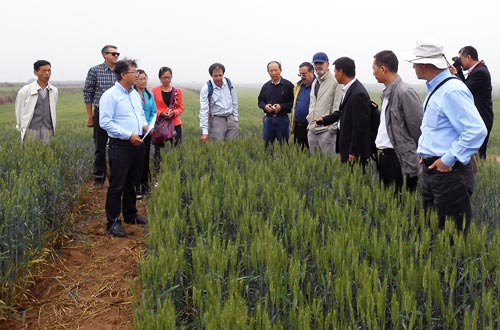 The past few weeks have been busy and interesting in China: preparing for the International Conservation Agriculture Forum in Yinchuan and work travels to Beijing, Yangling (Shaanxi province), and Xuchang (Henan province) are a sure way to keep oneself occupied.
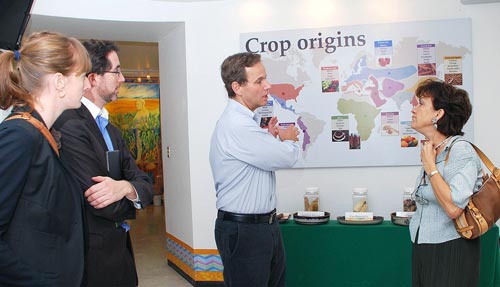 After a year of exchanges, planning, and construction, CIMMYT and
 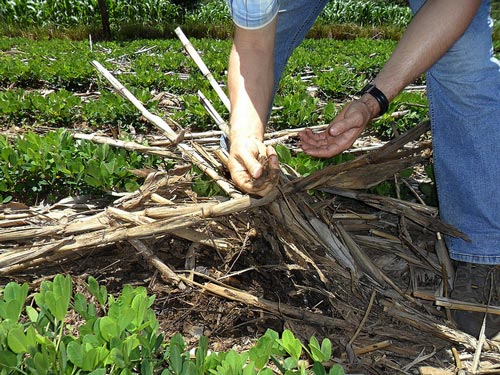 After months of discussions and debates on the scientific evidence regarding conservation agriculture for small-scale, resource-poor farmers in Sub-Saharan Africa and South Asia, a group of 40 scientists reached a consensus on the goals of conservation agriculture and the research necessary to reach these goals. The discussions leading to the signing of the
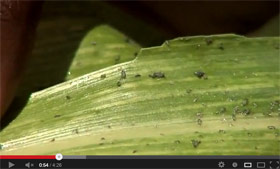
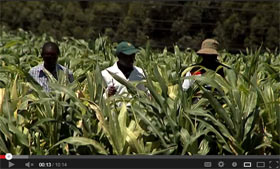
 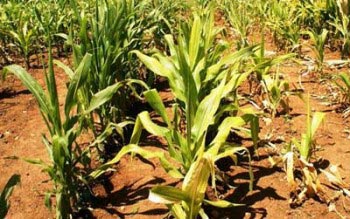 The maize lethal necrosis (MLN) disease first appeared in Kenya’s Rift Valley in 2011 and quickly spread to other parts of Kenya, as well as to Uganda and Tanzania. Caused by a synergistic interplay of maize chlorotic mottle virus (MCMV) and any of the cereal viruses in the family, Potyviridae, such as Sugarcane mosaic virus (SCMV), Maize dwarf mosaic virus (MDMV), or Wheat streak mosaic virus (WSMV), MLN can cause total crop loss if not controlled effectively.
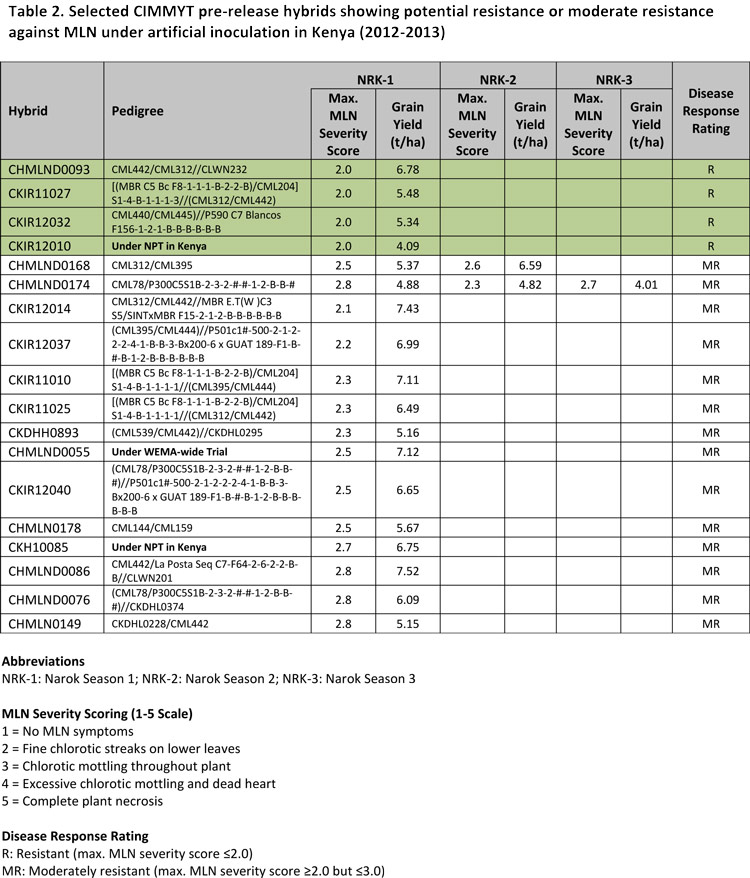 Download table in pdf format
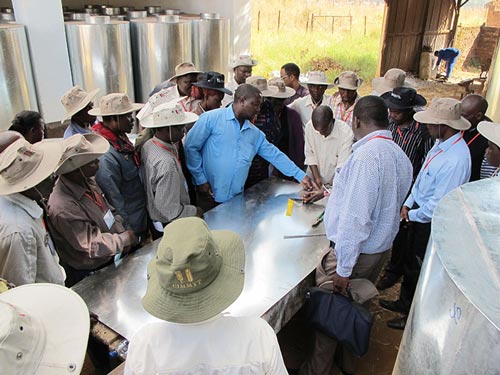 Agricultural extension service staff members in Zambia have been challenged to be the first adopters of metal silos to help promote the technology for effective grain storage. “I implore you, extension workers, to be the first adopters and users of the metal silo technology. As citizens that live side by side with farmers, go and be the first to practice what you will be preaching. You must lead by example,” stated Bert Mushala, the Permanent Secretary, Provincial Administration, Office of the President, Eastern Province, in a speech read on his behalf by his assistant Beenzu Chichuka at the official opening of the Improved Postharvest Management Training Workshop for Extension and Media Personnel held during 27- 28 May 2013 in Chipata, Zambia. “Farmers learn by seeing. Therefore, before they start using the metal silos, they want to see the chief executives, the business executives, extension workers, journalists, and other opinion leaders in the forefront, zealously storing maize in the metal silos,” he added.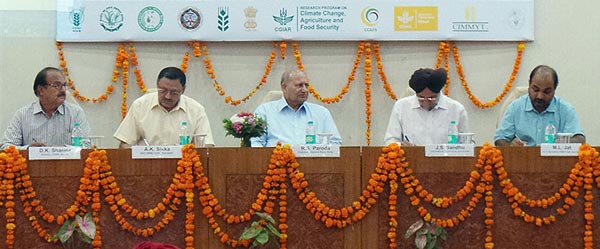
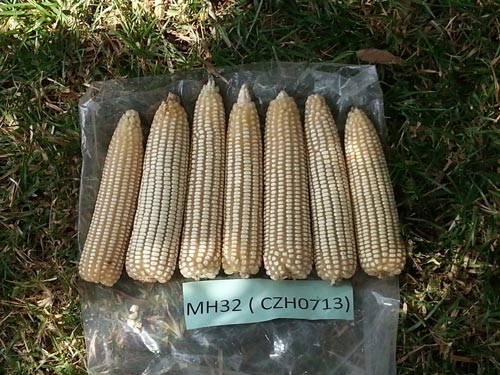 Three drought-tolerant maize hybrids performing well in drought-prone areas and tolerant of Malawi’s major maize diseases have been released in Malawi. The new hybrids, said a member of the Agricultural Technology Clearing Committee, will contribute to the subsidy program that has seen Malawi become self-sufficient in maize production and even export surplus maize to neighboring countries. They will also be important in mitigating climate change. “Maize accounts for over 70% of cereal production,” maize commodity team leader Kesbelll Kaonga explained the importance of maize for the country, adding that Malawians consume on average about 300 kg per year.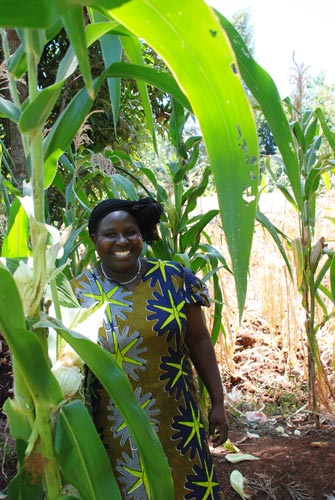
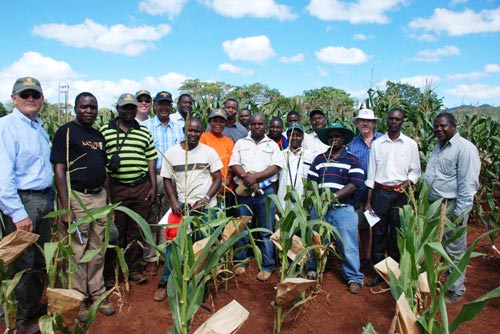 Covering 2,400 km, a multinational team toured Drought Tolerant Maize in Africa (
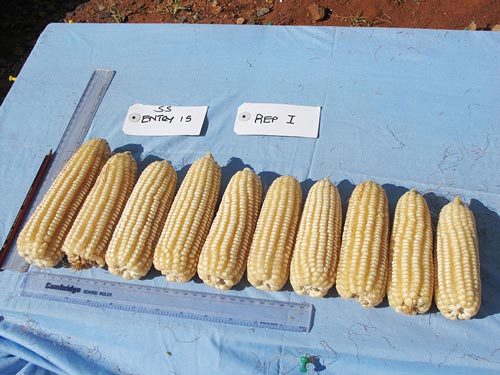 The fourth confined field trial of MON87460, a genetically modified maize variety developed to tolerate moderate drought, recently concluded at the Kenya Agricultural Research Institute (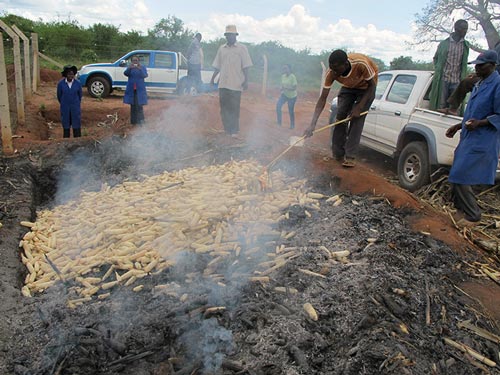
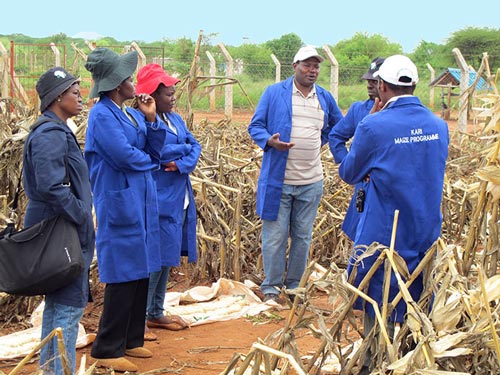 Eveline Shitabule, an inspector with KEPHIS, noted that training helped the participants to understand and follow instructions to ensure compliance. Having competent and well-trained personnel is one of the three pillars of compliance, the other two being a secure facility and records that are accessible and understandable.